
Understanding Movement as a Field of Study
A structured reference on physical conditioning approaches, exercise history, movement terminology, and the varied contexts in which human activity is understood and practiced.
About This Resource
A Reference on Physical Well-Being and Movement
Kinetica is an independent editorial resource dedicated to organizing and presenting descriptive materials on movement, physical conditioning, and fitness approaches. This site does not advocate for specific programs or outcomes — it exists to provide context, structure, and terminology for anyone seeking a broader understanding of the field.
The materials here reflect a range of perspectives and historical traditions, from early systematic approaches to modern frameworks in movement science. Content is presented descriptively and without editorial bias toward any particular method or practice.
What Is Covered
Key Areas of Exploration
The resource is organized around several intersecting areas of inquiry. Each section approaches physical activity from a different angle — historical, terminological, structural, or contextual — building a layered understanding rather than a prescriptive one.
Materials are structured to help readers orient themselves within a broad and sometimes inconsistently defined field, where terminology, practice traditions, and cultural contexts frequently overlap.
Historical Perspectives
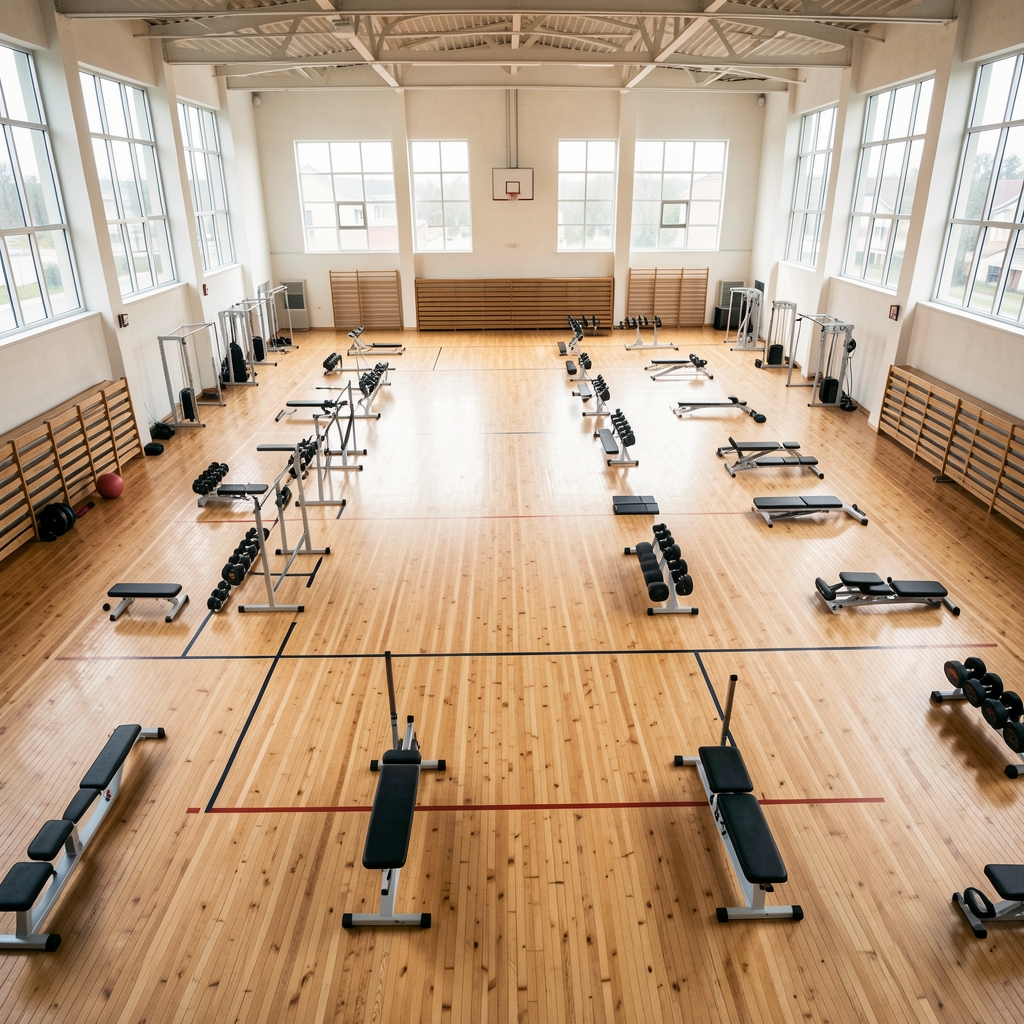
How physical activity has been understood and practiced across cultures and historical periods, from ancient traditions to modern systematization.
Fitness Disciplines
A descriptive overview of common approaches to structured physical activity — strength-based, endurance-focused, flexibility-oriented, and others.
Movement Science Basics
Fundamental concepts underlying the study of human movement — physiological principles, terminology, and the frameworks used to describe physical conditioning.
Structured Approaches
How routine, repetition, and progression feature in various fitness frameworks, along with the principles that inform their internal logic and organization.

Clarifications
Common Misunderstandings About Physical Activity
Several recurring assumptions about exercise and fitness circulate broadly but are not well-supported by the wider body of movement literature. The following points reflect common areas of conceptual confusion and what a more structured view tends to suggest.

More intensity does not always mean better outcomes
The relationship between effort and adaptation in physical conditioning is not linear. Approaches across different traditions generally acknowledge the importance of recovery, variation, and appropriate load relative to individual context.
Specific exercise types are not universally superior
Historical and contemporary fitness frameworks have assigned value to a wide range of movement forms. Different traditions prioritize strength, flexibility, endurance, coordination, or breath control — often in contradictory ways, suggesting no single approach holds universal advantage.
Physical conditioning is a broad and contested field
The terminology used in fitness — terms like "functional," "holistic," or "optimal" — is frequently undefined or inconsistently applied across different disciplines. Understanding its contested nature is part of developing a more accurate picture of the field.
Structured frameworks vary widely in their definitions
What constitutes a "routine," a "session," or a "progressive approach" differs substantially between fitness traditions, cultural contexts, and historical periods. Comparing them requires attention to the specific assumptions built into each framework.
Historical Overview
Movement Across Time and Culture
Physical activity has been organized, codified, and reinterpreted across centuries and civilizations. The following overview traces key developments in how structured movement has been understood.
Ancient Period
Movement in Early Civilizations
In ancient Greece, India, and China, physical training was codified within broader systems of philosophy and social organization. Greek gymnastics integrated movement with civic identity; Indian traditions developed structured breathing and posture practices; Chinese frameworks linked movement to concepts of energy and balance.

18th – 19th Century
The Rise of Systematic Physical Education
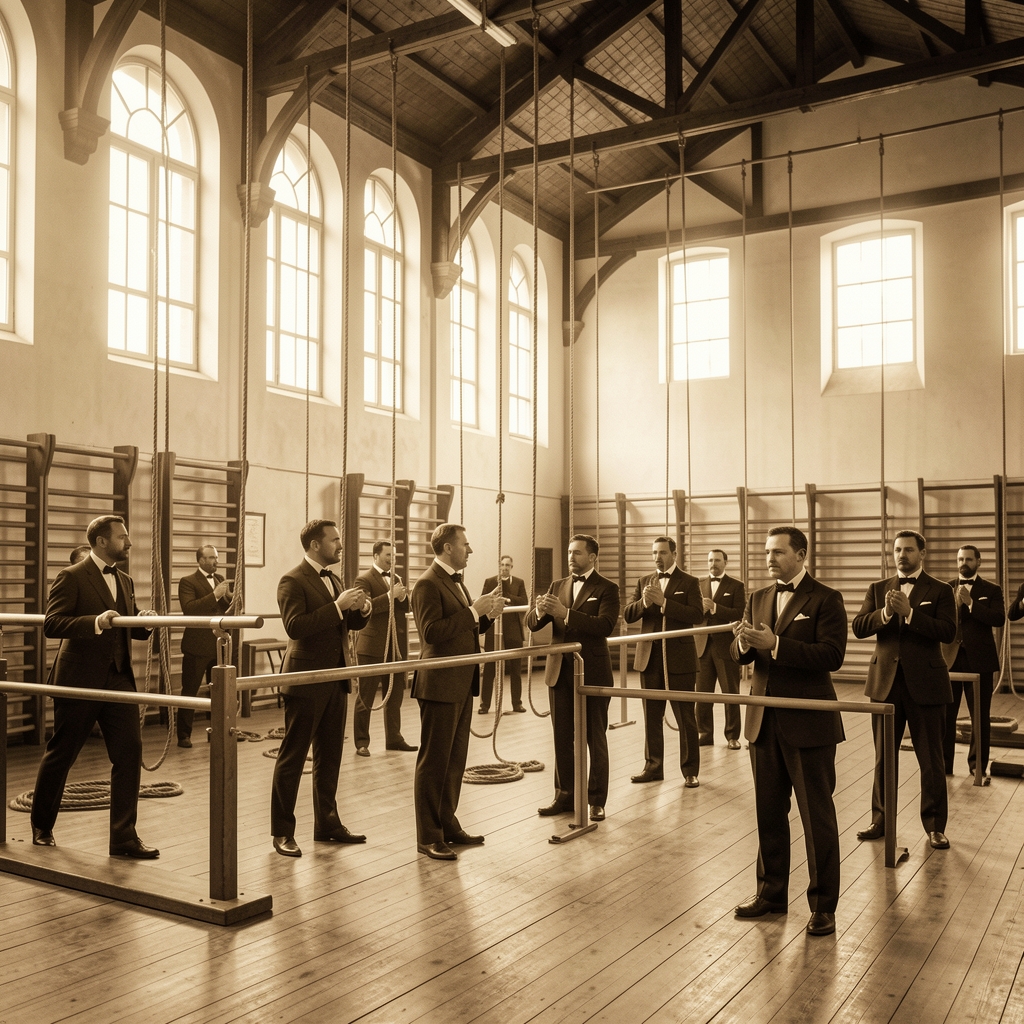
European approaches to physical education formalized during this period, particularly in Germany and Sweden. These systems introduced methodical frameworks, repetition-based training, and the concept of physical conditioning as something that could be systematically taught and measured rather than informally practiced.
Early 20th Century
Industrialization and the Body
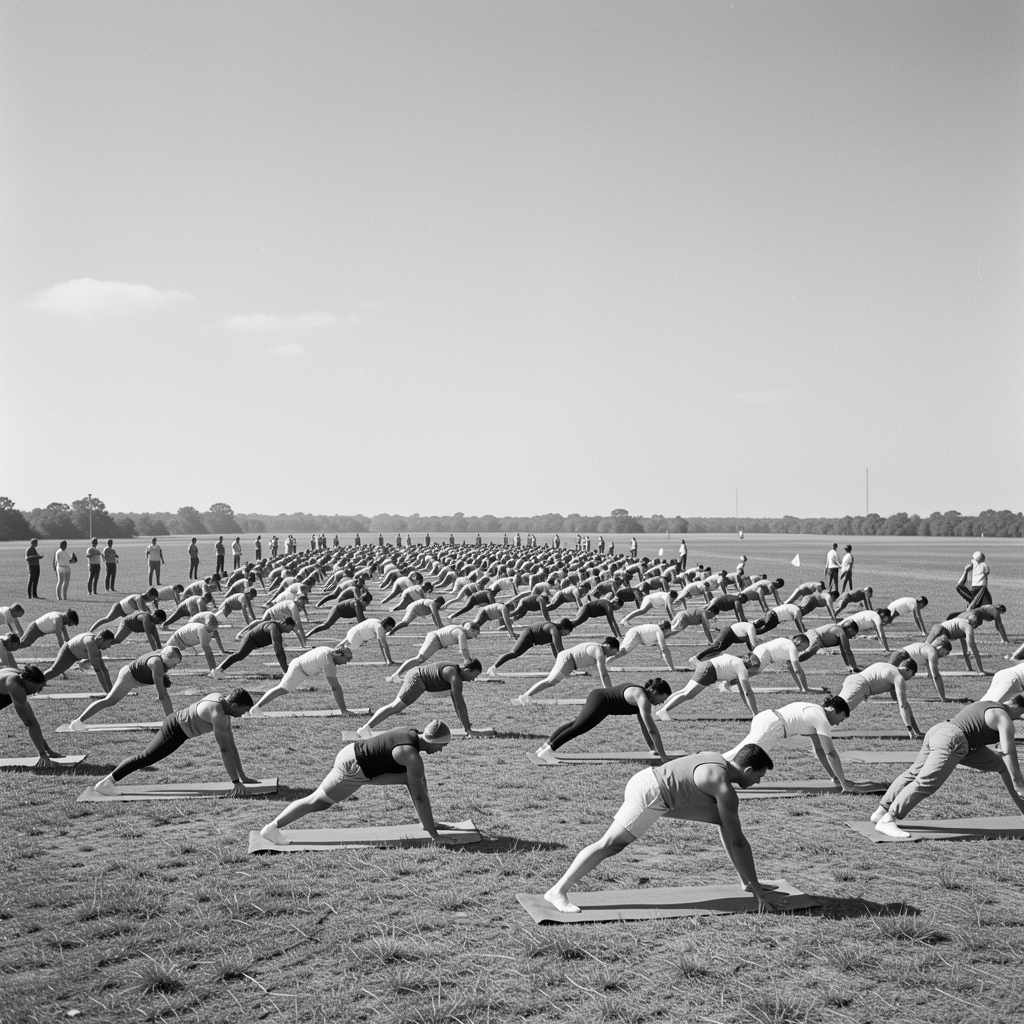
The early twentieth century saw physical culture movements emerge as responses to urbanization and sedentary work. Popular figures systematized exercises for home practice, while sports science began developing as an academic discipline, introducing measurement tools and physiological frameworks for understanding physical adaptation.
Contemporary
Diversification of Movement Frameworks
Contemporary fitness encompasses a wide range of approaches — from evidence-based exercise science to revived traditional practices. The proliferation of information sources has made the landscape more varied and, at times, more difficult to navigate, reinforcing the value of clearly defined terminology and structured contextualization.
Reference
Key Terms in Movement and Fitness
A selection of terms frequently encountered across fitness literature and movement science. Definitions reflect general usage and are not prescriptive.
View Further Materials- Aerobic Capacity The ability of the body to sustain prolonged physical effort by using oxygen to produce energy. Often used as a marker in endurance-related fitness literature, though its measurement and interpretation vary across frameworks.
- Progressive Overload A principle in strength and conditioning describing the gradual increase of demands placed on the body during training. The concept appears across many different exercise traditions, though the manner of application differs widely.
- Range of Motion The extent of movement available at a joint. Featured prominently in flexibility-oriented practices and physical rehabilitation literature, often with differing definitions depending on the context of use.
- Functional Movement A widely used but inconsistently defined category referring to movement patterns considered relevant to everyday physical tasks. The term appears in both rehabilitation and general fitness contexts with varying meanings.
- Periodization A structural approach to organizing physical training over time, typically involving planned variation of intensity and volume across defined cycles. The concept originated in Soviet sports science and has since been adapted into numerous frameworks.
Questions
Frequently Asked Questions
General questions about the scope and approach of this resource and the topics it covers.
Kinetica is an editorial and informational resource focused on providing structured context for the topics of movement, physical conditioning, and fitness approaches. It presents descriptive materials drawn from a range of frameworks and historical contexts, without advocating for any specific method or outcome.
No. This site does not present exercise instructions, structured routines, or specific recommendations of any kind. The content is organized around explanatory and contextual material — covering terminology, historical perspectives, and how different approaches to physical activity have been described and categorized.
Content is organized into thematic areas: historical perspectives on fitness, key concepts and terminology, an overview of major movement disciplines, and an examination of common misconceptions. Each area is intended to stand independently while contributing to a broader understanding of the field.
Correspondence
General Inquiries
For general correspondence regarding the content or scope of this resource, use the contact page. We aim to respond within standard working hours.
Go to Contacts